Gas Leak Emergency: Why Summer Heat Makes Adelaide’s Gas Lines More Dangerous
After years working on gas systems across Adelaide homes, I can say this plainly: summer is when gas problems stop being theoretical and start becoming urgent. Not because gas suddenly behaves differently, but because heat exposes weaknesses that were already there. Joints loosen. Old fittings expand. Seals that held through winter finally give way. And when they do, the consequences can escalate fast.
Gas lines are built to handle pressure, but they’re also subject to constant expansion and contraction. In Adelaide summers, when we hit extended runs of 35–42°C days, that expansion becomes more aggressive. Metal pipes lengthen slightly. Rubber seals dry out. Threaded connections that were “just tight enough” in cooler months can start to seep. It’s not dramatic at first. Often it’s a faint smell near a meter or appliance that comes and goes, especially in the afternoon heat. That’s usually the warning sign people ignore.
Older Adelaide Homes Face Higher Summer Gas Risks
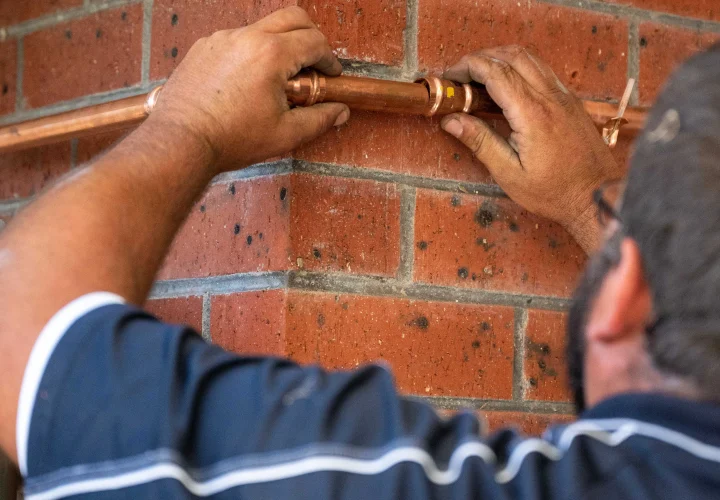
Older homes are the most vulnerable. Adelaide has a lot of them. Properties built decades ago often rely on aging copper or steel gas lines, sometimes with sections that have been repaired multiple times over the years. Each repair introduces another joint, another potential failure point. Add extreme heat and those weak spots show themselves. I’ve attended summer callouts where a minor leak turned into a full shut-down because the line simply couldn’t cope anymore.
Summer Appliance Use and Pressure Problems
Appliances play a role too. In summer, many households use less hot water but still rely on gas for cooking, outdoor kitchens, or heating pool systems. When appliances cycle on and off in high temperatures, pressure fluctuations increase. If an appliance regulator is already struggling, heat can push it past its limit. That’s when you get irregular flames, pilot lights going out, or that unmistakable gas smell when nothing obvious is running.
One of the biggest dangers in summer is complacency. Doors and windows are open more often, which can dilute the smell of gas. People assume it’s coming from outside or passing traffic. But gas doesn’t always announce itself loudly. A slow leak can build up in roof spaces, wall cavities, or enclosed areas like garages. All it takes is one spark. A light switch. A fridge motor kicking in. Even static electricity in extreme conditions. I’ve seen near-misses that still make my stomach turn.
What to Do Immediately If You Smell Gas
There’s also the issue of delayed response. Summer is peak season for trades. When a gas leak becomes an emergency, waiting even a few hours can be risky. That’s why prevention matters more than ever during hotter months. Regular inspections, especially before summer hits, catch small issues early. Tightening a fitting or replacing a brittle seal is straightforward. Ignoring it isn’t.
- If you suspect a gas leak, the steps are simple but critical.
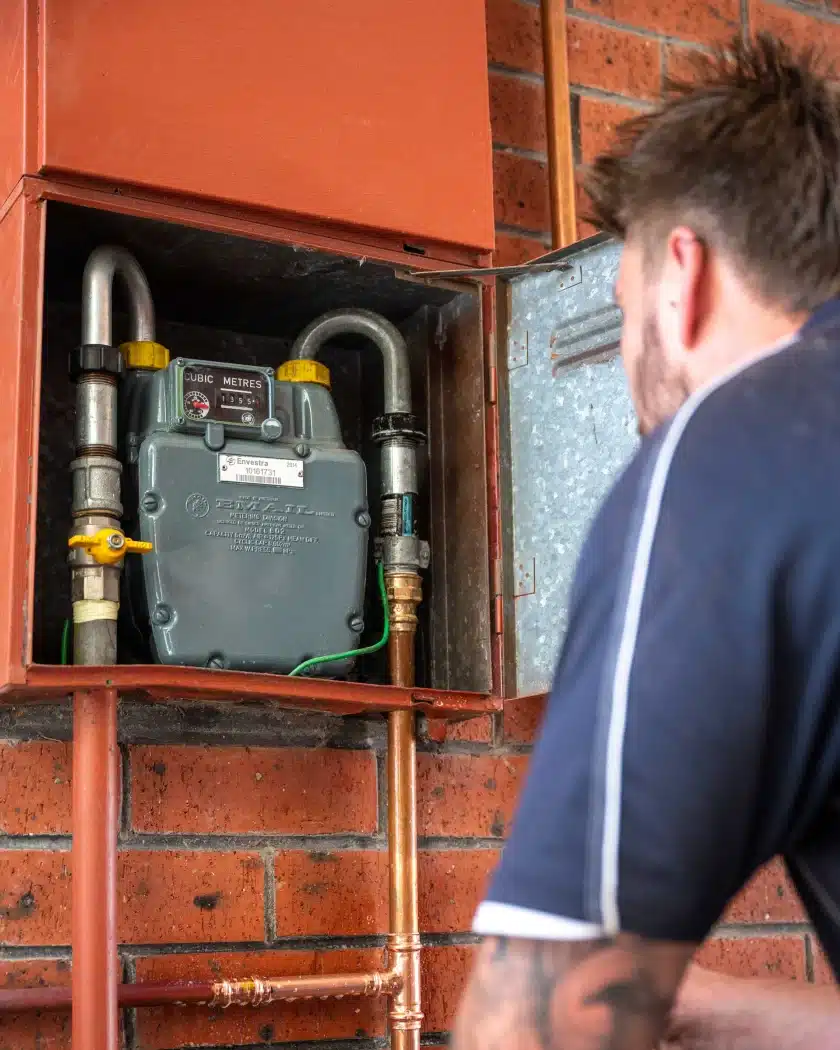
- Turn off the gas at the meter if it’s safe to do so.
- Don’t use electrical switches.
- Ventilate the area by opening doors and windows.
- Leave the property if the smell is strong.
- Then call a licensed gas plumber immediately.
- Not tomorrow. Not “when it cools down.” Heat won’t fix the problem. It will make it worse.
aba PLUMBING + GAS For Emergency Gas Repairs Adelaide
Do not delay when you notice a gas leak and call a professional and licensed gas fitter immediately. It is strongly recommended to not skimp on gas fitting costs or ignore the warning signs. As your 24×7 emergency plumber Adelaide, we are available around the clock to ensure our experienced and licensed gas fitter can be at our doorstep swiftly. Call aba PLUMBING + GAS today to get your gas appliance checked and inspected by our Adelaide gas experts.
If you’re in Adelaide and suspect a gas leak or want your gas appliances and pipework checked for peace of mind, can help. We’re licensed, local, and experienced and we take gas safety seriously, because it really does matter.